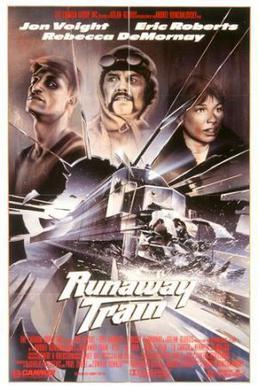
As today's blizzard ravages the Island, it's only appropriate I mention this week's film. Unlike the previous entries, this one will only have one post. Let's imagine, for a moment, that you're in the woods, looking for your dog. All of a sudden, you come across a plane with a dead man and $4.4 million in umarked (?) bills. Would you take it, give it over to the police, or divvy it among your friends? However, there could be problems with the money. The original owners could be after it, and no one really knows where it comes from.
A Simple Plan is set in a small town in Minnesota after Christmas. Someone once told me that the opening scene says a lot about the movie's premise. In this case, the story opens with a snowfield and ravens perched in the branches, observing as a fox sneaks into a henhouse and makes his move. Legend states that crows are the harbingers of death; in some cases, they are like vultures, waiting to feast on newly deceased flesh. Others say they represent renewal. For the movie's sake, it's the former.
Snow, meanwhile, is associated with innocence or loneliness. Plenty of winter films utilize snow to create a tense atmosphere or show heartbreak, as seen with The Phantom of the Opera. A Simple Plan showcases snow as tension or lack of peace. As long as Lou, Hank, and Jacob have the money, they can never rest; Lou and his wife get shot down, Hank gets a couple of death threats, and Jacob basically kills himself. There's never any sunshine, only a white sky.
I also want to make a couple of remarks on Hank and Jacob's ramshackle house. At first, Hank is likeable, but as the film goes on, he becomes more and more of a hypocrite. He keeps saying it's for everyone's good, but in all reality, Hank Mitchell is merely selfish. Money can make us do the unthinkable, and many have already posted about Sarah's reaction. However, it's no excuse to keep on lying. The movie stopped before then, but I have a feeling it'll catch up to him eventually and he and Sarah would be arrested. That's just my theory.
Jacob's house, for me, represents lost hopes and prospects. Jacob doesn't have as much going for him as Hank does; he has the "occasional odd-job" and has to visit welfare often. It's not exactly specified how low he sunk, but he wants things to be the way they were before the Mitchells lost the farm. We always search for the finer things in life, and it doesn't always have to be money. However, money kills, and it's not always the bad guys.
These are the things you normally won't see on a daily basis; you will never find these musings anywhere else in the world. They are merely the ramblings and thoughts of a seventeen year old girl out to make a name for herself in writing one day. Let us hope she has the brains and the guts to do it...
Sunday, December 26, 2010
Monday, December 20, 2010
Memory vs. Facts - Memento (Part 2)
I'm afraid I have very little to say about this movie. Now that I look back on my previous entry, I may have been too harsh on Natalie. Perhaps she had a bad day, or Lenny wronged her, but in either circumstances, he's not as heroic as we previously thought. If it's Jimmy Grant, we can't blame her, even if she takes it too far.
The idea he could've made up his wife's killer shows that while he's looking for a purpose in life, he may not be entirely right in the head. In either circumstance, it fits well with the theme of memories versus facts. We can't always trust our thoughts and memories, and there are no pale men in black fedoras and trenchcoats to blame. As the mind grows older, it becomes more feeble, and in some cases, it simply falls apart. I'm in the minority when I say this, but Sammy Jankis is real. Leonard may have been in a mental hospital, but I don't doubt that his story is real. Why else would be write "Remember Sammy Jankis" on his wrist? It's a tragic fable for his fate, especially the way he treated his client before this. The lesson is to rely on facts, don't trust your memory, and always keep an open mind. You just might be in the same position one day.
Even though I don't like this as much as Runaway Train, the Seventh Seal, or Dark City, it's still a decent film. It's the second Christopher Nolan film I've seen in my life, and it's interesting to see his earlier work. What remains is the film noir. The genres and characters change, but the mystery remains the same. Be it dreams, be it memories, or be it a masked crusader and a crazy clown duking it out, the intrigue is always there. That's why he always attracts an audience. His work is masterfully crafted, and it helps that he has control over every single part of production along with a stable set of actors.
The idea he could've made up his wife's killer shows that while he's looking for a purpose in life, he may not be entirely right in the head. In either circumstance, it fits well with the theme of memories versus facts. We can't always trust our thoughts and memories, and there are no pale men in black fedoras and trenchcoats to blame. As the mind grows older, it becomes more feeble, and in some cases, it simply falls apart. I'm in the minority when I say this, but Sammy Jankis is real. Leonard may have been in a mental hospital, but I don't doubt that his story is real. Why else would be write "Remember Sammy Jankis" on his wrist? It's a tragic fable for his fate, especially the way he treated his client before this. The lesson is to rely on facts, don't trust your memory, and always keep an open mind. You just might be in the same position one day.
Even though I don't like this as much as Runaway Train, the Seventh Seal, or Dark City, it's still a decent film. It's the second Christopher Nolan film I've seen in my life, and it's interesting to see his earlier work. What remains is the film noir. The genres and characters change, but the mystery remains the same. Be it dreams, be it memories, or be it a masked crusader and a crazy clown duking it out, the intrigue is always there. That's why he always attracts an audience. His work is masterfully crafted, and it helps that he has control over every single part of production along with a stable set of actors.
Thursday, December 16, 2010
Memory vs. Facts - Memento (Part 1)
Memory has never been a reliable source. It changes every single day as we grow older, and in some cases, illnesses like Parkinson's can turn us into a blank slate. I have absolutely no idea which illness is being portrayed in today's film, but one thing's certain. The victim can never gain new memories. He is forced to carry around a polaroid camera, paper, and a pen just so he can be a normal person. Today's case study is Leonard Shelby, former Insurance Investigator turned killer - and unfortunately for him, he is in a bigger conspiracy than he thought.
Shelby's tattoos, I believe, are significant to the story. They represent his "memories" and all the reminders of his past, present, and possible future. One would expect a tattooed person to have pictures all over his body, not words. The closest thing we get to this is a chart, and even then, it is not represented long enough to show what's being said. For me, "John G. raped and murdered my wife" sticks out the most. It is simple, yet effective syntax. Shelby is driven by his grief, even though no one knows how long he's been at it, and it affects his interactions - for better or for worse. It's confirmed that he got his condition the night of his wife's death, when one of the attackers bashed his head hard on the bathroom floor.
Speaking of injuries, ways of losing memory also become a motif. It can be degenitive, it can be from alcoholism, it can be from accidents, or, judging from a distressing scene, it can come from veneral disease. The movie makes it sound like anyone could lose their memory at any time.
Out of all the movies I've seen, I finally found a character I hate the most. She's the femme fatale, but even the most deadliest women have more class than she does. She is fake, she is manipulative, and she is in short, an evil, horrid woman. I would've used worse words, but I already did so on facebook and got in trouble for it, so I'm not gonna try to push my luck here. I mean, it's low class calling someone's dead wife a "cum guzzling whore", especially if her spouse remembers her as a decent person. It's ALSO not okay to toy with a disabled man's heart! Yes, Lenny can see, hear, and walk, but his short-term memory leaves him vulnerable. She could just make up absolutely anything and he'd forget it in fifteen minutes flat if she had her way. So gentlemen, beware of Natalie.
For tomorrow, I have this theory. I strongly believe Natalie is more involved than we've been led to believe. She might've been the one who ruined Lenny's life in the first place. Maybe she was jealous of Mrs. Shelby? Maybe she wanted revenge? One thing's for certain: our hero is in a lose-lose situation.
Shelby's tattoos, I believe, are significant to the story. They represent his "memories" and all the reminders of his past, present, and possible future. One would expect a tattooed person to have pictures all over his body, not words. The closest thing we get to this is a chart, and even then, it is not represented long enough to show what's being said. For me, "John G. raped and murdered my wife" sticks out the most. It is simple, yet effective syntax. Shelby is driven by his grief, even though no one knows how long he's been at it, and it affects his interactions - for better or for worse. It's confirmed that he got his condition the night of his wife's death, when one of the attackers bashed his head hard on the bathroom floor.
Speaking of injuries, ways of losing memory also become a motif. It can be degenitive, it can be from alcoholism, it can be from accidents, or, judging from a distressing scene, it can come from veneral disease. The movie makes it sound like anyone could lose their memory at any time.
Out of all the movies I've seen, I finally found a character I hate the most. She's the femme fatale, but even the most deadliest women have more class than she does. She is fake, she is manipulative, and she is in short, an evil, horrid woman. I would've used worse words, but I already did so on facebook and got in trouble for it, so I'm not gonna try to push my luck here. I mean, it's low class calling someone's dead wife a "cum guzzling whore", especially if her spouse remembers her as a decent person. It's ALSO not okay to toy with a disabled man's heart! Yes, Lenny can see, hear, and walk, but his short-term memory leaves him vulnerable. She could just make up absolutely anything and he'd forget it in fifteen minutes flat if she had her way. So gentlemen, beware of Natalie.
For tomorrow, I have this theory. I strongly believe Natalie is more involved than we've been led to believe. She might've been the one who ruined Lenny's life in the first place. Maybe she was jealous of Mrs. Shelby? Maybe she wanted revenge? One thing's for certain: our hero is in a lose-lose situation.
Sunday, December 12, 2010
Dark City (Part 3) - Personal Thoughts [SPOILERS]
Now that we've finally finished viewing Dark City, I would just like to say it's one of my favorite films; it ranks in the same level as Runaway Train and the Seventh Seal, even though nothing can top Runaway Train, and even though I liked Ashpalt Jungle, this one trumps it. [WARNING: THERE ARE SPOILERS FOR ANOTHER MOVIE. IF YOU WANT TO KEEP READING, DO SO AT YOUR OWN RISK]
First off, there's this tidbit I read in the IMDB trivia section; apparently, in an earlier draft, Dr. Schreber was supposed to be flayed alive during the third act, but in the end, it never happened. No one ever speculated why, but it may've been either too gruesome for the movie or viewers would've cried foul and claim it ripped off Hellraiser. If this happened, we would've had some reverse roles for John Murdoch and Dr. Daniel Schreber and two characters from the first two Hellraisers. In Hellraiser, Frank Cotton is a perverse drifter who is always looking for pleasure... until he discovers a puzzle box and loses his skin, which leads to the film's plot. The second Hellraiser, Hellbound, has Dr. Philip Channard, a neurologist looking for the puzzle box's secrets... and after a series of events, he turns into a Cenobite like his subjects. Obviously, Murdoch's no sexual predator or serial killer, but he looks quite similar to Frank, in my opinion. Take a look down below:
Maybe it's only coincidence, but the point is, if they kept this in the final draft, it would have been role reversal. Murdoch would've had a chance to be one of the Strangers, and Dr. Schreber would just be another victim on the list. It wouldn't have been a big loss for me, personally. I never liked the doctor in this one, not only because of what he's doing, but because he has plenty to hide. He's also too cowardly for my taste, but to paraphrase a forum member on IMDB, "you'd be scared too if the Strangers beat and scare you all the time".
The way Murdoch takes down his enemies is also similar to Carrie; he's had enough and he's not going to take it anymore, and he does it the best way he knows - telekinesis. With this in mind, I also want to address the final fight scene. Not many viewers liked this bit, if at all, and I don't blame them. I thought it was enough for him to wipe out their resources, but going up to Mr. Book like that is going too far. This isn't too bad, but the execution's been done before. Otherwise, this is a seamless film.
So "you wanted to know what made us human?" According to Murdoch, you won't find it in memories. If not, where do we find it? Is it in our deeds? Our accomplishments? Our mishaps? It all depends on the person. It's a mix of everything for me personally. I've never been a science and math person, but I've always been humanistic. It all depends on how one looks at it.
Also, about Emma, we can't have absolutely everything. It would be nice if she remains the way she is, but there always have to be sacrifices. Even though Murdoch acquised to the Strangers, she still became Anna anyway. They have nothing to gain from her, but they did it anyway. That's how low they are.
Shell Beach also symbolizes renewal. Dark City has a chance now that most of the Strangers are gone (except for Mr. Hand, but that's another story), and with sunlight comes a new hope. It suggests that Anna and John Murdoch have a chance, and that maybe they could be a couple, like they were in Anna's past life. Let's hope it's possible, even though that's where the film ends.
P.S. This may sound a little silly, but I always wondered what would've happened if Dark City and Hellraiser were meshed together. Maybe Kirsty and John Murdoch could help each other beat their respective enemies? Mr. Hand definitely would've gotten together with Pinhead and the gang, that's for sure. He would've loved the darkness, the lack of water and being "an explorer of the further regions of the universe", and if he were a Cenobite, he would've had his pick of Souls to experiment on and toy with their memories. However, revenge might've been his first course of action, and also, I have a feeling he might've been more interested in Emma/Anna than the director wants us to believe. It would've made for an interesting fanfic, if I had an exact idea what the plot would be like.
P.P.S. Inception is the only Christopher Nolan film I've ever seen in my life, and let's hope Memento blows me away like this one did.
First off, there's this tidbit I read in the IMDB trivia section; apparently, in an earlier draft, Dr. Schreber was supposed to be flayed alive during the third act, but in the end, it never happened. No one ever speculated why, but it may've been either too gruesome for the movie or viewers would've cried foul and claim it ripped off Hellraiser. If this happened, we would've had some reverse roles for John Murdoch and Dr. Daniel Schreber and two characters from the first two Hellraisers. In Hellraiser, Frank Cotton is a perverse drifter who is always looking for pleasure... until he discovers a puzzle box and loses his skin, which leads to the film's plot. The second Hellraiser, Hellbound, has Dr. Philip Channard, a neurologist looking for the puzzle box's secrets... and after a series of events, he turns into a Cenobite like his subjects. Obviously, Murdoch's no sexual predator or serial killer, but he looks quite similar to Frank, in my opinion. Take a look down below:

The way Murdoch takes down his enemies is also similar to Carrie; he's had enough and he's not going to take it anymore, and he does it the best way he knows - telekinesis. With this in mind, I also want to address the final fight scene. Not many viewers liked this bit, if at all, and I don't blame them. I thought it was enough for him to wipe out their resources, but going up to Mr. Book like that is going too far. This isn't too bad, but the execution's been done before. Otherwise, this is a seamless film.
So "you wanted to know what made us human?" According to Murdoch, you won't find it in memories. If not, where do we find it? Is it in our deeds? Our accomplishments? Our mishaps? It all depends on the person. It's a mix of everything for me personally. I've never been a science and math person, but I've always been humanistic. It all depends on how one looks at it.
Also, about Emma, we can't have absolutely everything. It would be nice if she remains the way she is, but there always have to be sacrifices. Even though Murdoch acquised to the Strangers, she still became Anna anyway. They have nothing to gain from her, but they did it anyway. That's how low they are.
Shell Beach also symbolizes renewal. Dark City has a chance now that most of the Strangers are gone (except for Mr. Hand, but that's another story), and with sunlight comes a new hope. It suggests that Anna and John Murdoch have a chance, and that maybe they could be a couple, like they were in Anna's past life. Let's hope it's possible, even though that's where the film ends.
P.S. This may sound a little silly, but I always wondered what would've happened if Dark City and Hellraiser were meshed together. Maybe Kirsty and John Murdoch could help each other beat their respective enemies? Mr. Hand definitely would've gotten together with Pinhead and the gang, that's for sure. He would've loved the darkness, the lack of water and being "an explorer of the further regions of the universe", and if he were a Cenobite, he would've had his pick of Souls to experiment on and toy with their memories. However, revenge might've been his first course of action, and also, I have a feeling he might've been more interested in Emma/Anna than the director wants us to believe. It would've made for an interesting fanfic, if I had an exact idea what the plot would be like.
P.P.S. Inception is the only Christopher Nolan film I've ever seen in my life, and let's hope Memento blows me away like this one did.
Thursday, December 9, 2010
Dark City (Part 2) - Some Revelations
This entry, I'm afraid, will be succinct for tonight. All I can say is that I'm astounded by what we've just uncovered, and that I can't wait for more.
Apparently, the Strangers ARE aliens, and the city itself isn't a city at all. Dr. Schreber never specifies exactly how long the experiment lasted, but if it's any indication, it must've began almost a hundred years ago, and Schreber's not the first scientist they've used. Maybe he'll be disposed of just like the rest of them. Compared to Murdoch, he is a double-faced coward who barely acknowledges what he's doing is wrong and even delights in it like Dr. Mengele gleefully experimented on his hapless victims. I've been told that he gives a voice-over in the original cut, so if that's any indication, he probably survives the mess and comes out not only with his life, but his memory.
If I had doubts about the Strangers being aliens, they've been dispelled now. I never considered them human even for a minute, but experimenting on humans to be like them is an interesting concept, especially if it's for their own survival. This somewhat humanizes the Strangers and elaborates on their motive, but not every Stranger is like Mr. Hand. If the viewers are still skeptical, then the spaceship confirms that's what they really are. This isn't like the Apollo 13 or the Death Star; instead, it's a flat presentation of what Earth would be like if it were one city.
I would elucidate further on the subject, but it is late at night. Will Murdoch survive? Will Dr. Schreber come clean? Will Emma escape the Strangers in one piece, or will she lose her memory too? Tomorrow will reveal the rest.
Apparently, the Strangers ARE aliens, and the city itself isn't a city at all. Dr. Schreber never specifies exactly how long the experiment lasted, but if it's any indication, it must've began almost a hundred years ago, and Schreber's not the first scientist they've used. Maybe he'll be disposed of just like the rest of them. Compared to Murdoch, he is a double-faced coward who barely acknowledges what he's doing is wrong and even delights in it like Dr. Mengele gleefully experimented on his hapless victims. I've been told that he gives a voice-over in the original cut, so if that's any indication, he probably survives the mess and comes out not only with his life, but his memory.
If I had doubts about the Strangers being aliens, they've been dispelled now. I never considered them human even for a minute, but experimenting on humans to be like them is an interesting concept, especially if it's for their own survival. This somewhat humanizes the Strangers and elaborates on their motive, but not every Stranger is like Mr. Hand. If the viewers are still skeptical, then the spaceship confirms that's what they really are. This isn't like the Apollo 13 or the Death Star; instead, it's a flat presentation of what Earth would be like if it were one city.
I would elucidate further on the subject, but it is late at night. Will Murdoch survive? Will Dr. Schreber come clean? Will Emma escape the Strangers in one piece, or will she lose her memory too? Tomorrow will reveal the rest.
Wednesday, December 8, 2010
Dark City (Part 1) - The Manhunt for Mr. Murdoch

Even though the movie is barely at the half-way point, Dark City has to be one of my favorite films in this class aside from Runaway Train and the Seventh Seal. Today's film blends science fiction with film noir, and what the audience sees is a steampunk tale of memories lost and regained, murders explained and unexplained, and creatures only one doctor knows about - and he's not entirely sane himself. Not only is the atmosphere perfect, but the visuals are absolutely astounding!
The set design harkens back to German expressionist films, and Tim Burton may have influenced the swirling circle motif. Whenever Det. Bumstead discusses the Murdoch murders with anyone, the swirls are always there, be they on paper, on walls, or on the victims themselves. At first, I thought Murdoch wouldn't be the one who killed all those women. After all, "what kind of killer" would stop to "save a dying fish?" Anyone could be a criminal, some more clearly than others, but whenever it happens, it's always surprising. It's not long until we see the articles in his coat pocket. Even if he's a slasher like Jack the Ripper, he's still sympathetic because of his search for memory. We may know less about ourselves than we think. Ask anyone about their pasts, and who they were is drastically different than what we are know. It's disillusionment. In the past, I avoided networking sites like I avoided lunatics; now, I've got an account on youtube, facebook, and deviantART, along with a couple of forums. People can change and we're not even aware when or how it happened, which is where the Strangers come in.
Like the rest of the class, I had absolutely no idea what these mysterious men in the trenchcoats were. I figured they were demons from some other dimension out to manipulate humanity like scientists from concentration camps. They absolutely "must have this man", or else their experiment's a waste. Apparently, they call this "the turning", in which they and Dr. Schreber (who must've made some kind of Faustinian pact with them) freeze time and go about their business. Clocks will play a huge part later on. Considering Dr. Schreber whimpers and shudders whenever Strangers like Mr. Hand hang around, it's no wonder they haven't killed him yet. It wouldn't surprise me if they did, considering he nearly gave away their secrets. One thing's for certain; our heroes' weaknesses are "not for the faint of heart". This may signal a showdown in the future, possibly with Schreber switching sides, but we'll just have to wait and see.
I commented on Mr. Bennett's blog about the Strangers themselves; in a way, they are like the Cenobites from Hellraiser. Both observe humanity and explore the "further regions of the flesh". Unlike the Cenobites, however, the Strangers don't physically torture anyone. Instead, they collect memories and replace them with new ones. Pinhead advising Kirsty Frank's death is "isn't for your eyes" is similar to the quote in the previous paragraph, so I think it's entirely intentional.
On another note, Richard O'Brien's in this film too, and he plays Mr. Hand, one of the Strangers who try to capture Murdoch as much as possible. Personally, I like him better out of all the villains in this piece. It's not because he composed Rocky Horror prior to this and played Riff Raff in the film; it has absolutely nothing to do with that at all. Instead, it's a matter of roles. He could have been just a stock character, but instead, he receives Murdoch's memories and interacts with other characters besides our mad Doctor. Mr. Hand's exhange with Emma is my favorite part of the film. You know something is wrong when they share the same memories and he tells her it's a "small world". It's a shame we stopped where we did, because I have a feeling he'll either beat her into confessing or he'll change her into a whole new person. One thing's for certain; if Det. Eddie's suicide is any indication, there's no way out.
Tuesday, December 7, 2010
The Asphalt Jungle (Part 2) - The Finale
I liked the Asphalt Jungle; even though I'm unfamiliar with noir films, this is a well-made film. Sterling Hayden and the rest of the group bring their characters to life and turn otherwise deplorable criminals into normal people we can relate to. Considering this was made during the Hayes Code, the main characters were bound to die off anyway, but at least Dix died with some shred of dignity. He returns to his Kentucky horse ranch after all these years with Doll on his side, yet he never gets to live his newfound life to the fullest. It could have been worse; he could have been left to rot in some alleyway, with no one to mourn over him.
I always liked Emmerich's idea that "crime is merely a left-handed endeavor". There are two sides to humanity. There is the face we show to the public, and then there's the face we have in private. One could say that Lon Emmerich was a respectable businessman by day, jewel thief by night. He also could've been a monstrous character, but as Liana observed earlier, he's like Citizen Kane, except he has no money. It's a shame he didn't survive, but then again, there's no other way he could've evaded the police.
On a positive note, Dark City has refreshing cinematography, and even though it's just the beginning, I'm completely immersed in the story. More on that later...
P. S. I should make the writing a bit more formal and put more thought into it like I did in my previous ones. Perhaps I should go back and edit my worst ones.
I always liked Emmerich's idea that "crime is merely a left-handed endeavor". There are two sides to humanity. There is the face we show to the public, and then there's the face we have in private. One could say that Lon Emmerich was a respectable businessman by day, jewel thief by night. He also could've been a monstrous character, but as Liana observed earlier, he's like Citizen Kane, except he has no money. It's a shame he didn't survive, but then again, there's no other way he could've evaded the police.
On a positive note, Dark City has refreshing cinematography, and even though it's just the beginning, I'm completely immersed in the story. More on that later...
P. S. I should make the writing a bit more formal and put more thought into it like I did in my previous ones. Perhaps I should go back and edit my worst ones.
Thursday, December 2, 2010
The Asphalt Jungle (Part 1) - Jewels, Family, and Vice
Up until now, the only noir films I've seen were Rififi and Who Framed Roger Rabbit, if you could call it a noir. The latter film had the ordinary guy in an extraordinary situation, only this 'ordinary person' was a cartoon rabbit framed for murdering the man who owns Toon Town. I'll go into it another time; let's look at Asphalt Jungle, a noir film about a jewel heist and what happens afterwards.
Like other noir films, you have the black-and-white cinematography, the criminals who could've been contenders, and the big bosses who always pull a fast one. However, there are no femme fatales. Even though it's implicated Doll might be in the world's oldest profession, she is a sensitive, sweet young thing. To be honest, she doesn't look that bad without her eyelashes. Even though I'm hetrosexual, I've always been fascinated by feminine and masculine beauty, and this is no exception. Mr. Bennett is a little harsh on Doll in that aspect, but at least he recognizes her for her pesonality. In fact, we actually have a backstory for Dix and a motivation for Louis. One grew up on a farm that raised horses, another is a family man with a one-year-old son. Typically, a noir film just goes straight into the plot and only makes its characters archetypes: the hero is a drunken reprobate, the villain is a big-shot gangster or businessman, and the woman's a femme fatale. We have the middle characterization, but not the last one. Not by a longshot.
Of course, one can't talk about noir films without the Hayes Code and the Legion of Deceny, what I think is the biggest violation of free speech. I'm sure they intended the best, but no one goes to the movies so some organization can expunge some beliefs. There's also a matter of hypocrisy; if a woman can get killed for having sex out of wedlock, why not men too? And also, there's a matter that plagued cinema since the dawn of time: which should we worry about more - sex, or violence? I'm personally for subtlety and putting things in when they are necessary, so if there's sex, let there be sex. However, torture porn gets lower MPAA ratings than movies with love scenes. Also, criminals always had to die or get punished by the end of the film. Louis is about to bite the dust, Dix is wounded, and Mr. Brannon is dead. All Louis did was get involved; he probably needed the extra money to support his family, and he seemed a little weak to me. He looks like Fred Flinstone, but he has Barney Rubble's temperament. Maybe the powers that be are a little too harsh on him. At least the directors try to dance around it.
Speaking of death, how does one hide a corpse, anyway? I'd personally recommend burning it to a crisp in a giant oven, or, if you have a man-eating plant, feeding him in small pieces. That'd leave blood all over the linoleum, but at least it won't be there anymore. Drowning could cause problems too, since the body could easily wash ashore and some passerby could've called the police. Maybe Lon panicked, but that's just my take.
In a next journal, I'll look at the rest of the film as well as some quotes, but for now, let's keep our eyes wide open, but not too open or else you'll wet yourself whenever you hear Beethoven's Ninth Symphony.
Sunday, November 28, 2010
Unforgiven (Part 2) - Final Thoughts
There is nothing to state here, I'm afraid. Nothing that has not been stated perviously on other blogs. Although I see some classmates like Unforgiven, I'm afraid I'm in the minority. It's not that it's a bad film or anything like that, and it's not that I'm a close-minded reviewer, the kind who appraises one genre but totally lambastes another. It's just that I never gravitated to this film. The atmosphere is well-done, and one can see there was a (short) resurgance of western films in the 1990's. I've read someplace that this is one of only three Westerns to ever win Best Picture, and I respect Mr. Eastwood for this. However, this is not a blog for opinions. If I wanted to merely give out opinions, I would merely be a gossip columnist, not a credible reviewer.
"Angel", in this movie, can go both ways; it can describe a beautiful, saintly person, or some powerful, awestrucking creature that can take you to your doom. The latter applies to the encounter between Delilah and Will Munny. Delilah is not a bad looking person by any means; it's just that the bartender's too cruel to her, and I'm glad he finally got shot in the end. It sounds sadistic like that biased Hollywood Moral Code of the Hayes days, but I always wished he would get it from the way he handled the situation. The other meaning of "angel" also applies to Delilah because she is the only prostitute who doesn't suggest revenge or murder. It's Silky and Alice who come up with the idea.
The last remarks go out to the Kid and Munny's survival. I always thought the Kid was too chicken to actually kill those five men like he said he did, but when he confesses to the fact, he comes off as human instead of some punk. If he didn't get Munny involved, if he didn't kill the last of the two cowboys, he would be as useless as Buck Logan in Runaway Train. I personally didn't mind Buck, but the Schoffield Kid bothered me more than Buck ever could - and Buck is a rapist as far as we know.
Unlike our four previous films, the protagonist never dies; however, his morals do. William Munny controlled himself quite nicely throughout the film, considering he's been hired to be an assassin. However, Ned's death is where he draws the line. Even though Claudia was supposed to make him into a changed man, Munny reverts into his normal self and kills off almost everyone in the entire bar - including the aforementioned barkeep and Little Bill. The film would have had Munny killed off in one glorious showdown, but instead, he gets his revenge and Little Bill gets an unceremonious send-off. In a way, the film both avoids yet goes along with the existentialist formula that somebody must die: Although Ned is merely a supporting character, Munny's restaint dies along with him.
As for the upcoming reviews, I have one for A Streetcar Named Desire under way, even though I have no eloquent way of putting it yet. I also have plans for The Cabinet of Dr. Caligari, M, Metropolis, and Midnight Cowboy, and I may possibly do a review of Forrest Gump or Gone with the Wind, if it's possible. As for the next movie, I have absolutely no idea what it is. All that I know is that it's a noir film, and although I'm unfamiliar with the genre, I have seen a few films and I think it's a worthy genre, considering noir for me is Rififi and Who Framed Roger Rabbit.
"Angel", in this movie, can go both ways; it can describe a beautiful, saintly person, or some powerful, awestrucking creature that can take you to your doom. The latter applies to the encounter between Delilah and Will Munny. Delilah is not a bad looking person by any means; it's just that the bartender's too cruel to her, and I'm glad he finally got shot in the end. It sounds sadistic like that biased Hollywood Moral Code of the Hayes days, but I always wished he would get it from the way he handled the situation. The other meaning of "angel" also applies to Delilah because she is the only prostitute who doesn't suggest revenge or murder. It's Silky and Alice who come up with the idea.
The last remarks go out to the Kid and Munny's survival. I always thought the Kid was too chicken to actually kill those five men like he said he did, but when he confesses to the fact, he comes off as human instead of some punk. If he didn't get Munny involved, if he didn't kill the last of the two cowboys, he would be as useless as Buck Logan in Runaway Train. I personally didn't mind Buck, but the Schoffield Kid bothered me more than Buck ever could - and Buck is a rapist as far as we know.
Unlike our four previous films, the protagonist never dies; however, his morals do. William Munny controlled himself quite nicely throughout the film, considering he's been hired to be an assassin. However, Ned's death is where he draws the line. Even though Claudia was supposed to make him into a changed man, Munny reverts into his normal self and kills off almost everyone in the entire bar - including the aforementioned barkeep and Little Bill. The film would have had Munny killed off in one glorious showdown, but instead, he gets his revenge and Little Bill gets an unceremonious send-off. In a way, the film both avoids yet goes along with the existentialist formula that somebody must die: Although Ned is merely a supporting character, Munny's restaint dies along with him.
As for the upcoming reviews, I have one for A Streetcar Named Desire under way, even though I have no eloquent way of putting it yet. I also have plans for The Cabinet of Dr. Caligari, M, Metropolis, and Midnight Cowboy, and I may possibly do a review of Forrest Gump or Gone with the Wind, if it's possible. As for the next movie, I have absolutely no idea what it is. All that I know is that it's a noir film, and although I'm unfamiliar with the genre, I have seen a few films and I think it's a worthy genre, considering noir for me is Rififi and Who Framed Roger Rabbit.
Sunday, November 21, 2010
Unforgiven (Part 1) - Our Story Begins
I have never been a fan of Westerns; the only one I've seen entirely was Blazing Saddles, and it was a satire which blew up every cliche in the films. Then there's Butch Cassidy and the Sundance Kid; I have never seen the entire film, but I like the music very much and it had come iconic scenes. Unfortunately, that's not enough to make me get into the genre. That's too bad, because it'll work against me for the next couple of weeks.
With that our of the way, Unforgiven is our next film, starring Clint Eastwood, longtime actor, western film veteran, and fitness enthusaist. It's set in Wyoming (one of the Great Plains states) in the early 1880's. Normally, most Westerns would be set in an arid, desert state like Texas or California and let the audience figure out the dates for themselves. However, the movie includes historical references and specific guns to make a clearer setting.
To get into the plot itself, we open to a brothel and a man cutting up (and possibly attempting to rape) a prostitute. Westerns have always featured prostitutes, but up until now, they were mostly can-can dancers or bar maids. They never did their actual jobs or made any references to what they were. One theme in the film is property, and another is vengeance. They go hand-in-hand when Delilah's pimp and Little Bill decide the cowboys' fates, and instead of being hanged or horsewhipped like the other girls demanded, he's promised twelve horses. It should've been assault or attempted murder, but instead, it's a matter of destroyed property.
Little Bill's priorities are also skewered. He kicks English Bob to a pulp because of how he treats his Chinese rail-workers, yet he always caters to corrupt businessmen. Corruption's another theme in the movie, as well as whether or not people can change. Even though William Munny apparently used to be an outlaw, it's love that sobers him up and makes him settle down. Where All Quiet in the Western Front, Citizen Kane, and The Seventh Seal make love seem like such a futile, useless thing, it's actually a force of healing in this movie. Like Eastwood's later films, this one deals with a man's relationship with his former wife and how he tries to move on. He doesn't only come back for the money, but also as some kind of warped chivalry. Little does he know reports about Delilah are greatly exaggerated...
Maybe the pimp will get a bullet in his head. Maybe Little Bill and Munny have some kind of past with one another. Maybe Munny will find out the truth about Delilah's damage. It's up to the film to decide all that.
P.S. I was wrong about English Bob; Little Bill just wanted to prove a point. Also, $1000 in 1881 would amount to $21,952.73 today. They must've been very good prostitutes or they're excellent money-savers.
With that our of the way, Unforgiven is our next film, starring Clint Eastwood, longtime actor, western film veteran, and fitness enthusaist. It's set in Wyoming (one of the Great Plains states) in the early 1880's. Normally, most Westerns would be set in an arid, desert state like Texas or California and let the audience figure out the dates for themselves. However, the movie includes historical references and specific guns to make a clearer setting.
To get into the plot itself, we open to a brothel and a man cutting up (and possibly attempting to rape) a prostitute. Westerns have always featured prostitutes, but up until now, they were mostly can-can dancers or bar maids. They never did their actual jobs or made any references to what they were. One theme in the film is property, and another is vengeance. They go hand-in-hand when Delilah's pimp and Little Bill decide the cowboys' fates, and instead of being hanged or horsewhipped like the other girls demanded, he's promised twelve horses. It should've been assault or attempted murder, but instead, it's a matter of destroyed property.
Little Bill's priorities are also skewered. He kicks English Bob to a pulp because of how he treats his Chinese rail-workers, yet he always caters to corrupt businessmen. Corruption's another theme in the movie, as well as whether or not people can change. Even though William Munny apparently used to be an outlaw, it's love that sobers him up and makes him settle down. Where All Quiet in the Western Front, Citizen Kane, and The Seventh Seal make love seem like such a futile, useless thing, it's actually a force of healing in this movie. Like Eastwood's later films, this one deals with a man's relationship with his former wife and how he tries to move on. He doesn't only come back for the money, but also as some kind of warped chivalry. Little does he know reports about Delilah are greatly exaggerated...
Maybe the pimp will get a bullet in his head. Maybe Little Bill and Munny have some kind of past with one another. Maybe Munny will find out the truth about Delilah's damage. It's up to the film to decide all that.
P.S. I was wrong about English Bob; Little Bill just wanted to prove a point. Also, $1000 in 1881 would amount to $21,952.73 today. They must've been very good prostitutes or they're excellent money-savers.
Thursday, November 18, 2010
The Seventh Seal (Part 2) - Death and the Soldier
There is nothing much to remark here. However, I just wish to say that the ending fit the tone of the film; even though the idea of dancing with Death is grotesque, Bergman utilizes the final shots to create hope for the minstrels. They are the artists, the ones who escaped Death, but as they sang in one of their songs, "Death is on the shore". It follows everyone around and strikes without warning; he doesn't give a damn about your plans or your relatives. He just wants your Soul.
In most cases, Death is merely a skeleton in a black robe. In this movie, on the other hand, he is merely a deathly pale man; if the movie had not been so famous, Death would have been mistaken for a severe monk. The class may not have caught this, but He was there in disguise when the witch is about to die; luckily for her (and for the audience), she dies before the flames even lick her feet. Now, this film is low budgeted, so not everything is on such a grand scale; however, this does not distract from the quality. On the contrary, a modest budget fits a modest subject. Not to mention it would have been jarring if the entire film was in color.
Though not as analytical as before (I'll probably go back to it and change it), I just wish to get a few points across for now. In the meantime, I'm not sure how I feel about Unforgiven yet, but that's another story.
In most cases, Death is merely a skeleton in a black robe. In this movie, on the other hand, he is merely a deathly pale man; if the movie had not been so famous, Death would have been mistaken for a severe monk. The class may not have caught this, but He was there in disguise when the witch is about to die; luckily for her (and for the audience), she dies before the flames even lick her feet. Now, this film is low budgeted, so not everything is on such a grand scale; however, this does not distract from the quality. On the contrary, a modest budget fits a modest subject. Not to mention it would have been jarring if the entire film was in color.
Though not as analytical as before (I'll probably go back to it and change it), I just wish to get a few points across for now. In the meantime, I'm not sure how I feel about Unforgiven yet, but that's another story.
Sunday, November 14, 2010
The Seventh Seal (Part 1) - Death and the Soldier
Almost a week has gone out, and I have yet to make a comment about Ingmar Bergman's immortal Swedish story. For the past fifty-three years, it has been satirized in film and television, including Bill and Ted's Bogus Journey and an episode of Animaniacs. It has been regarded as a foreign film with meaning. For me, it is personally one of the most original takes on the Faustinian pact. This, readers, is The Seventh Seal, a 1957 film about a soldier in a chess game for his life.
Even though the film has a slow first act, it serves as exposition into the lives of Sir Antonius Block, his helper Squire Jons, and the minstrel couple Mary and Joseph, who are also parents. The story is set in the background of Sweden during the twelfth century, when it was undergoing the Black Plague, one of the deadliest pandemics the world has ever seen. It was a time of subjugation, of paranoia, of doubt. It was also a time of renewed values and, in its own special way, enlightenment. It's up for debate whether or not this was when the true Renaissance occured, since the Renaissance we know revived Roman styles while the Medieval times had a Gothic style of its own. There is also this tidbit that the term "Middle Ages" was coined to make fun of the era, as if it were the dark ages. However, we are not here to discuss history. We are here to debate life, death, and whether or not we have the answer for everything under the sun.
Normally, Death is a skeleton wearing a black robe and armed with a scythe. Instead, he is merely a pasty-faced man; he is unarmed, but he has his wits. Many a blogger already commented about his appearance and how he picked the "black" side for the game. Darkness is an unpleasant feeling; being in the dark is when we do not know anything about the situation; to wear black is to be mournful, and to be feeling black is to feel ominous. With this in mind, the color black symbolizes Death's mysterious nature. Sometimes, he comes at a bad time, while at others, he is relief. He also reminds our protagonist "It's not reality you see, but another kind". There are different truths, different views. In this time and age, nothing is ever as it seems.
Squires are expected to be only slightly educated, but Squire Jons' worldview is ahead of his time. He sees through religious zealotry and hypocrisy and despises a "war so stupid, only an idealist could've thought it up". While everyone else is fearful or even remorseful at the flagellants' march, he shows a look of indifference. He can't believe how people could "take that drivel seriously" and even makes himself clear to Antonius Block about it; it's daring on his part, especially when the Church may've thought he was being heretical. Unlike his master, who seriously wants to believe God is listening, Jons is our existentialist hero. He is not as extreme as Katchinsky or even Manny, but he still has a sour view of humanity.
I'm afraid it's a little early to discuss the minstrels' roles. However, Mary and Joseph seem more hopeful than our other leads. At least, for right now anyway. What we know so far is that they have a son named Michael, who is a toddler around this time, and that their manager lives with them. They are, in most other respects, normal people living normal lives. There is little to speak about, except for the fact Joseph constantly has visions and that Mary may have some hidden skeletons. Note how they react when the flagellants disturb their show. The way they panicked, they must've thought the priests have come to break up the gaiety. Festivities were allowed in the Middle Ages, but the Church mostly frowned upon these kind of things.
Maybe Death may strike one of the lovers or take their son, maybe Death may be up to his old tricks with Sir Block, and maybe Squire Jons will be more daring. Until then, let us hold our breaths for tomorrow. This entry may be shorter and not as deep as usual, but hopefully, there will be more to come.
P.S. In response to what some of the other bloggers are saying, I don't mind the subtitles or the fact it's in Swedish; it's better than listening to an English dub any time.
Even though the film has a slow first act, it serves as exposition into the lives of Sir Antonius Block, his helper Squire Jons, and the minstrel couple Mary and Joseph, who are also parents. The story is set in the background of Sweden during the twelfth century, when it was undergoing the Black Plague, one of the deadliest pandemics the world has ever seen. It was a time of subjugation, of paranoia, of doubt. It was also a time of renewed values and, in its own special way, enlightenment. It's up for debate whether or not this was when the true Renaissance occured, since the Renaissance we know revived Roman styles while the Medieval times had a Gothic style of its own. There is also this tidbit that the term "Middle Ages" was coined to make fun of the era, as if it were the dark ages. However, we are not here to discuss history. We are here to debate life, death, and whether or not we have the answer for everything under the sun.
Normally, Death is a skeleton wearing a black robe and armed with a scythe. Instead, he is merely a pasty-faced man; he is unarmed, but he has his wits. Many a blogger already commented about his appearance and how he picked the "black" side for the game. Darkness is an unpleasant feeling; being in the dark is when we do not know anything about the situation; to wear black is to be mournful, and to be feeling black is to feel ominous. With this in mind, the color black symbolizes Death's mysterious nature. Sometimes, he comes at a bad time, while at others, he is relief. He also reminds our protagonist "It's not reality you see, but another kind". There are different truths, different views. In this time and age, nothing is ever as it seems.
Squires are expected to be only slightly educated, but Squire Jons' worldview is ahead of his time. He sees through religious zealotry and hypocrisy and despises a "war so stupid, only an idealist could've thought it up". While everyone else is fearful or even remorseful at the flagellants' march, he shows a look of indifference. He can't believe how people could "take that drivel seriously" and even makes himself clear to Antonius Block about it; it's daring on his part, especially when the Church may've thought he was being heretical. Unlike his master, who seriously wants to believe God is listening, Jons is our existentialist hero. He is not as extreme as Katchinsky or even Manny, but he still has a sour view of humanity.
I'm afraid it's a little early to discuss the minstrels' roles. However, Mary and Joseph seem more hopeful than our other leads. At least, for right now anyway. What we know so far is that they have a son named Michael, who is a toddler around this time, and that their manager lives with them. They are, in most other respects, normal people living normal lives. There is little to speak about, except for the fact Joseph constantly has visions and that Mary may have some hidden skeletons. Note how they react when the flagellants disturb their show. The way they panicked, they must've thought the priests have come to break up the gaiety. Festivities were allowed in the Middle Ages, but the Church mostly frowned upon these kind of things.
Maybe Death may strike one of the lovers or take their son, maybe Death may be up to his old tricks with Sir Block, and maybe Squire Jons will be more daring. Until then, let us hold our breaths for tomorrow. This entry may be shorter and not as deep as usual, but hopefully, there will be more to come.
P.S. In response to what some of the other bloggers are saying, I don't mind the subtitles or the fact it's in Swedish; it's better than listening to an English dub any time.
Sunday, November 7, 2010
Runaway Train (Part 4) - The Passion of Oscar Manheim
Now that this deadly tale is finished, I wish to close with some remarks.
I've been told that this was "one of the most underrated film in the 1980's," and it is. The cinematography is brilliant, the atmosphere is top-notch, and we have an iconic ending that couldn't be done differently if anyone tried. In a situation like this, the film could have ended with the front of the train crashing and bursting into flames. Instead, Konchalovsky's crew let Ranken and Manny go out in dignity and let the viewers think for themselves.
Though some people complain about Eric Roberts and his character Buck and how over-the-top Manny becomes, it's no surprise that they turn out the way they do after years in prison. Did anyone expect them to be calm, cool, considerate men? Manny is much brighter than Buck is, but as time goes on, he becomes a border-line lunatic. In the end, he keeps his principles and he goes out the way he always wanted to - a free man who has fulfilled his revenge against society. If they had been innocent men who have been wrongly convicted instead of the criminals they are, it would have attracted a wider audience and more appeal from critics at the time; it would have killed the entire message and tone of the story, but it would have been much more successful than it already is. Then again, unrecognised genuises are always rewarded in the end, and this is one of those instances.
I also have some slight beef with the Academy Awards website's descriptions. In the section for "Best Supporting Actor" in 1985, the writers describe Buck as Manny's "vicious convict co-escapee". If he were truly vicious, he would have killed and raped Sara on the spot. Instead, he helps her out on a couple of occasions. It is daring on the writers' part that he is a rapist. In any other situation, he would have been depicted as the villain and have no redeeming quality whatsoever. As Mr. Bennett told us, rape is the only crime that is never okay to commit. It's true that Buck is lasvicious, it's true that he is hedonistic, and it's true that he is lackadaisical. However, Sara is compassionate to him and then she bites Manny in the hand when they fight each other. Humanity itself is incredibly complex. We all have our best and worst traits; it just depends on how we handle them. To go against what the Academy Awards description implies, he is a patsy compared to the villain. As our protagonists suggest, Ranken is a hypocrite; he tries to make himself a pillar of moral strength, but in reality, he is an overgrown bully (and a closet sadist).
Going back to the ending, it is incredibly well-done. Manny is enigmatic as he stands over the engine in triumph and Ranken is defeated once and for all. Although existentialist at heart, the movie has religious themes from the very beginning. The penitentiary represents Hell, the prisoners are Christ's followers, Ranken and the guards are Satan and his minions, Buck is Peter, Sara is Mary Magdalene, Frank Barstow is Ponctius Pilate, the rail control booth are the Pharisee judges, Jonah is God, and Oscar "Manny" Manheim is Jesus Christ. As the title of this post suggests, Manny and Ranken's off-screen deaths represent Christ's crucifixion and his sacrifice to mankind. Like the apostles before them, Buck, Sara, and the prisoners are incredibly melancholy about the situation, but only God and Jonah knew that it was meant to be.
Even though Ranken and Manny "are both scum", Ranken is much worse than Manny. Unlike our protagonist, Ranken never risks his life to get what he wants. Instead, he sends somebody else to do the job. He feels no remorse when one of the officers get killed, and he only goes after Manny himself as a last resort. The way he reacts to being chained up also shows what kind of man he is: a sorry, snivelling, self-pitying coward. He is "as afraid to die as anyone else", and all he wants to do is prove he is more powerful than Manny. His response? "What's the difference?"
Life waits for no one. Fate waits for no one. It doesn't give a damn about what station we have in life, what role we play in our societies. The only thing that counts is if you live for yourself or if you live for others. This may not have been easy to stomach when it first came out. I do not blame them. It is a bleak message, but it is better to be selfless and honest than it is to be selfish and hypocritical.
Unlike Citizen Kane and All Quiet on the Western Front, Runaway Train will be on my mind for perhaps an entire month. It is certainly surpasses All Quiet on the Western Front, and it certainly blows Citizen Kane out of the water. Maybe the next film will surpass this one; maybe it won't. Let's wait until Monday or Tuesday to find out. I wish to know your opinions, if you have any. Let me know what I've missed.
P.S. Even though it may be childish, I keep on imagining what kind of books the characters might read. Buck might skim through Playboy, Sara could read the King James Bible, Jonah and Manny could've indulged in Nietzche's works, Ranken could have gotten his advice from Machiavelli's Morals of the Prince, and Barstow and the rest of the control members could have read The Complete Idiot's Guide to Running a Train Station. It's just some random thoughts.
I've been told that this was "one of the most underrated film in the 1980's," and it is. The cinematography is brilliant, the atmosphere is top-notch, and we have an iconic ending that couldn't be done differently if anyone tried. In a situation like this, the film could have ended with the front of the train crashing and bursting into flames. Instead, Konchalovsky's crew let Ranken and Manny go out in dignity and let the viewers think for themselves.
Though some people complain about Eric Roberts and his character Buck and how over-the-top Manny becomes, it's no surprise that they turn out the way they do after years in prison. Did anyone expect them to be calm, cool, considerate men? Manny is much brighter than Buck is, but as time goes on, he becomes a border-line lunatic. In the end, he keeps his principles and he goes out the way he always wanted to - a free man who has fulfilled his revenge against society. If they had been innocent men who have been wrongly convicted instead of the criminals they are, it would have attracted a wider audience and more appeal from critics at the time; it would have killed the entire message and tone of the story, but it would have been much more successful than it already is. Then again, unrecognised genuises are always rewarded in the end, and this is one of those instances.
I also have some slight beef with the Academy Awards website's descriptions. In the section for "Best Supporting Actor" in 1985, the writers describe Buck as Manny's "vicious convict co-escapee". If he were truly vicious, he would have killed and raped Sara on the spot. Instead, he helps her out on a couple of occasions. It is daring on the writers' part that he is a rapist. In any other situation, he would have been depicted as the villain and have no redeeming quality whatsoever. As Mr. Bennett told us, rape is the only crime that is never okay to commit. It's true that Buck is lasvicious, it's true that he is hedonistic, and it's true that he is lackadaisical. However, Sara is compassionate to him and then she bites Manny in the hand when they fight each other. Humanity itself is incredibly complex. We all have our best and worst traits; it just depends on how we handle them. To go against what the Academy Awards description implies, he is a patsy compared to the villain. As our protagonists suggest, Ranken is a hypocrite; he tries to make himself a pillar of moral strength, but in reality, he is an overgrown bully (and a closet sadist).
Going back to the ending, it is incredibly well-done. Manny is enigmatic as he stands over the engine in triumph and Ranken is defeated once and for all. Although existentialist at heart, the movie has religious themes from the very beginning. The penitentiary represents Hell, the prisoners are Christ's followers, Ranken and the guards are Satan and his minions, Buck is Peter, Sara is Mary Magdalene, Frank Barstow is Ponctius Pilate, the rail control booth are the Pharisee judges, Jonah is God, and Oscar "Manny" Manheim is Jesus Christ. As the title of this post suggests, Manny and Ranken's off-screen deaths represent Christ's crucifixion and his sacrifice to mankind. Like the apostles before them, Buck, Sara, and the prisoners are incredibly melancholy about the situation, but only God and Jonah knew that it was meant to be.
Even though Ranken and Manny "are both scum", Ranken is much worse than Manny. Unlike our protagonist, Ranken never risks his life to get what he wants. Instead, he sends somebody else to do the job. He feels no remorse when one of the officers get killed, and he only goes after Manny himself as a last resort. The way he reacts to being chained up also shows what kind of man he is: a sorry, snivelling, self-pitying coward. He is "as afraid to die as anyone else", and all he wants to do is prove he is more powerful than Manny. His response? "What's the difference?"
Life waits for no one. Fate waits for no one. It doesn't give a damn about what station we have in life, what role we play in our societies. The only thing that counts is if you live for yourself or if you live for others. This may not have been easy to stomach when it first came out. I do not blame them. It is a bleak message, but it is better to be selfless and honest than it is to be selfish and hypocritical.
Unlike Citizen Kane and All Quiet on the Western Front, Runaway Train will be on my mind for perhaps an entire month. It is certainly surpasses All Quiet on the Western Front, and it certainly blows Citizen Kane out of the water. Maybe the next film will surpass this one; maybe it won't. Let's wait until Monday or Tuesday to find out. I wish to know your opinions, if you have any. Let me know what I've missed.
P.S. Even though it may be childish, I keep on imagining what kind of books the characters might read. Buck might skim through Playboy, Sara could read the King James Bible, Jonah and Manny could've indulged in Nietzche's works, Ranken could have gotten his advice from Machiavelli's Morals of the Prince, and Barstow and the rest of the control members could have read The Complete Idiot's Guide to Running a Train Station. It's just some random thoughts.
Thursday, November 4, 2010
Runaway Train (Part 3) - Sara's Entrance, Cabin Fever, and Rising Insanity
No one can expect all my predictions to be correct; the railway worker barely comes out in one piece, but we finally get to meet the fourth major character and how crazy Ranken has become. There are hardly any words to say what it is I have to say, but I want to make myself as clear as possible.
First off, about Sara, it's a breeze of fresh air that she's not conventionally attractive. In the movies nowadays, you see a lot of women all dolled up, even when it doesn't fit in with the situation. If the acting's good enough, the audience avoids such things, but most of the time, it's jarring to the viewer. In Sara's case, she's actually a normal person, not some statuette to oogle over. Like Buck and Manny, she has grime and dirt all over her face, and her clothing is practial. Note that there is absolutely no make-up on her whatsoever. In fact, she looks like a tomboyish young girl with her heart-shaped earrings and her braided pig-tails. Please don't think me shallow, dear readers; I NEVER judge people by their looks. I just wanted to bring this up in light of current times. There is much more to Sara than that.
As we already know, Sara is one of the railway workers, and like our protagonists, she has been stranded. With her expertise, a first-time viewer could have mistaken her as a deux ex machina, the one who could possibly put a stop to the runaway train. This is not to be. The train is as unstoppable as circumstance. Our heroes can try to eliviate their situation, but most of the time, it's all for naught. At least it goes a little slower, but not slow enough.
We also see another side of Buck, Manny, and Ranken. Obviously, none of them are perfect; two are convicts, another is a crooked cop. All the same, old habits die a slow and painful death. Buck obviously never lays a hand on Sara, but there's still a chance he might. He's the one who suggests helping her when we first see her, and he is the one who pulls himself together and rescues her when she nearly falls onto the tracks. Then again, I wouldn't really trust a man if the first question he asks me is "You wanna ****?" You fill in the asterisks for yourself.
Speaking of Buck, I think Sara has a crush on the guy. This sounds immature, but she always stands up for him whenever Manny insults him. After all, even though Buck's not right in the head, he is still vulnerable. It'll do him a lot of good to tell him he's "so brave" (even though Manny is more than eager to disagree). This is also just another inference, but he may have had an abusive childhood at one point. He mentioned being in reform school and he has a lackadaisacal approach to everything, yet when Manny gets cabin fever and pummels him, I can't help but feel sorry for the poor guy. He is merely an overgrown child, in need of some consensual love. His expression after the fighting ends is one of shock, of disappointment, of shattered hopes. It's clear he had few idols in his life. Manny "was a hero... to all of [the prisoners]", yet his attack is the ultimate betrayal. Going back to Mr. Bennett's theory, if Manny is the Messiah, his fellow prisoners are his disciples, Buck is his right-hand man, and Sara is Mary Magdalene. He wants to help, but he is incapable at the moment. At the moment, Manny becomes his own Judas, but this may be a little early to make assumptions.
When I was reading Frankenstein in Mrs. Johnson's English Class freshman year, we discussed feminine and masculine balance, and in the film's case, Sara represents sympathy and sanity in an otherwise mad world. She also believes "there are miracles", which don't even calculate in Manny's mind, and definitely not in Ranken's. It's clear that Manny is getting frostbite and going insane now. Cabin fever could do that to absolutely anyone. However, the madman inside him breaks out and he nearly beats him to death. Note that Sara is the one to talk them out of fighting. Manny has become "an animal", a man "willing to sacrifice someone else's life instead of [his] own." It's going to take a lot to make up for what's happened, but at least he threw out the knife.
Ranken has also gone nuts. There is no cabin fever, no attacks, so there is no reason for him to be the way he is. The only thing Barstow has done is tell him to wait... and then he gives him a "swirly" - in his own piss! It's unprofessional if I say I was absolutely disgusted by this scene... and we had to see it twice... Even though it's cringeworthy, the film smashes all sympathy we could've have for Warden Ranken. It's hard to be a warden at a high-security prison; the pay is lousy, the prisoners are lunatics, and you have to keep a level head at all times. Normally, I would have had some kind of respect for the man, but now it's gone.
It's a very interesting film, and now that Ranken knows where they are, I want to see how it plays out. Will they get out alive? Will Ranken catch up with them? Will the railway company safely stop the train? It's up to the viewer to decide.
First off, about Sara, it's a breeze of fresh air that she's not conventionally attractive. In the movies nowadays, you see a lot of women all dolled up, even when it doesn't fit in with the situation. If the acting's good enough, the audience avoids such things, but most of the time, it's jarring to the viewer. In Sara's case, she's actually a normal person, not some statuette to oogle over. Like Buck and Manny, she has grime and dirt all over her face, and her clothing is practial. Note that there is absolutely no make-up on her whatsoever. In fact, she looks like a tomboyish young girl with her heart-shaped earrings and her braided pig-tails. Please don't think me shallow, dear readers; I NEVER judge people by their looks. I just wanted to bring this up in light of current times. There is much more to Sara than that.
As we already know, Sara is one of the railway workers, and like our protagonists, she has been stranded. With her expertise, a first-time viewer could have mistaken her as a deux ex machina, the one who could possibly put a stop to the runaway train. This is not to be. The train is as unstoppable as circumstance. Our heroes can try to eliviate their situation, but most of the time, it's all for naught. At least it goes a little slower, but not slow enough.
We also see another side of Buck, Manny, and Ranken. Obviously, none of them are perfect; two are convicts, another is a crooked cop. All the same, old habits die a slow and painful death. Buck obviously never lays a hand on Sara, but there's still a chance he might. He's the one who suggests helping her when we first see her, and he is the one who pulls himself together and rescues her when she nearly falls onto the tracks. Then again, I wouldn't really trust a man if the first question he asks me is "You wanna ****?" You fill in the asterisks for yourself.
Speaking of Buck, I think Sara has a crush on the guy. This sounds immature, but she always stands up for him whenever Manny insults him. After all, even though Buck's not right in the head, he is still vulnerable. It'll do him a lot of good to tell him he's "so brave" (even though Manny is more than eager to disagree). This is also just another inference, but he may have had an abusive childhood at one point. He mentioned being in reform school and he has a lackadaisacal approach to everything, yet when Manny gets cabin fever and pummels him, I can't help but feel sorry for the poor guy. He is merely an overgrown child, in need of some consensual love. His expression after the fighting ends is one of shock, of disappointment, of shattered hopes. It's clear he had few idols in his life. Manny "was a hero... to all of [the prisoners]", yet his attack is the ultimate betrayal. Going back to Mr. Bennett's theory, if Manny is the Messiah, his fellow prisoners are his disciples, Buck is his right-hand man, and Sara is Mary Magdalene. He wants to help, but he is incapable at the moment. At the moment, Manny becomes his own Judas, but this may be a little early to make assumptions.
When I was reading Frankenstein in Mrs. Johnson's English Class freshman year, we discussed feminine and masculine balance, and in the film's case, Sara represents sympathy and sanity in an otherwise mad world. She also believes "there are miracles", which don't even calculate in Manny's mind, and definitely not in Ranken's. It's clear that Manny is getting frostbite and going insane now. Cabin fever could do that to absolutely anyone. However, the madman inside him breaks out and he nearly beats him to death. Note that Sara is the one to talk them out of fighting. Manny has become "an animal", a man "willing to sacrifice someone else's life instead of [his] own." It's going to take a lot to make up for what's happened, but at least he threw out the knife.
Ranken has also gone nuts. There is no cabin fever, no attacks, so there is no reason for him to be the way he is. The only thing Barstow has done is tell him to wait... and then he gives him a "swirly" - in his own piss! It's unprofessional if I say I was absolutely disgusted by this scene... and we had to see it twice... Even though it's cringeworthy, the film smashes all sympathy we could've have for Warden Ranken. It's hard to be a warden at a high-security prison; the pay is lousy, the prisoners are lunatics, and you have to keep a level head at all times. Normally, I would have had some kind of respect for the man, but now it's gone.
It's a very interesting film, and now that Ranken knows where they are, I want to see how it plays out. Will they get out alive? Will Ranken catch up with them? Will the railway company safely stop the train? It's up to the viewer to decide.
Wednesday, November 3, 2010
Runaway Train (Part 2) - The Body Count Rises
So now that I look back, I read this bit of trivia that Manny actually wasn't a killer - he cracks open safes; the original writers of Runaway Train didn't believe a murderer could get so much respect from the rest of the prisoners. I don't know what went through their heads at the time, but my reasoning is that anyone has the propensity to kill; it takes a genius to crack open a safe and not start off the alarm bells. A safe-cracker could also have access to prison keys if he knows the prison inside and out. No wonder the entire prison rejoices whenever something good happens to him!
Anyway, as one can see from the post title, there are more casualties, even though not as graphic as in the opening scenes. We never actually see them die, but one thing's for certain. The film takes no prisoners (no pun intended).
Buck, as I see it, never really experienced life the way Manny did; as much as he denies it, he's just "a punk", a lazy, cowardly one who never thinks things through. Why else does he keep worrying about dying, going into a sewer, and having a lousy pair of shoes? The boy's a one-track mind. Obviously, the guy's incredibly short on brains, and he complains so much about his feet, I'm surprised Manny held back until the moment they talk about their plans after the ordeal ends. I thought he was in jail for being a petty theif, but statutory rape's even worse. Their ideals clash in a scene worthy of an Academy Award. While one crook wants to fritter away his fortune on wine, women, and song, the other wants to make a decent living. It works not only because of the chemistry between the two actors, but also because of timing and visceral energy. Manny's idea of holding "on to that job like gold because it is gold" and his clear-cut language indicates that he may have been a upper-middleclassman who may have fallen on hard times, and Buck's responses show that he likes to feed off thrills and live for the moment. Manny thinks things through, while Buck does not.
Mr. Bennett keeps on calling Manny a killer, and it's true that he was involved in one of the prisoners' deaths, but he's still no killer. However, I can agree that they represent Jesus and Jonah; calling Manny the Messiah may be a bit of a stretch *(I almost expected the Warden to come out screaming "He's not the Messiah! He's a very naughty boy!"), but I can see how Buck could be the Jonah archetype, the one who gets swallowed by a whale and changes for the better, so to speak. I'm not sure if anyone else noticed this, but now that we're talking about religion, the telephone (telegraph?) poles represent crosses. Just my two cents.
The iron train itself represents fate. No one can stop it as it surges down the tracks, bringing its passengers for the ride and destroying anything that gets in its way. Our lives, the movie says, are a runaway train. As much as others may try to keep it in check, it is up to us how we handle the situation. The engineer may be dead, the passengers on the caboose may be pushing daisies, and the rail-worker may soon bite the dust, but the train waits for no one. Another blogger also observed that it could represent Manny. Both have an iron will, both are larger than life, and both have lived through the good and the bad. They are also hard to control, as shown with the frantic exchange between the railway company members and Manny's interaction with Warden Ranken.
If Ranken wasn't the head of the prison, he would have been one of its inmates. He is sadistic, he is calculating, and he always has ulterior motives. By plotting the escapees' deaths and confiding "[Manny] would do the same thing I would do", he is on his way to being a murderer. Unlike our protagonists, he has more power than they will ever know. I don't think we wanna know what kind of "fun" he's talking about.
The last remark is just a little something on Eddie, one of the honchos of the railway company. He must be an incredible dunce! Of COURSE the passengers should know about the runaway! OF COURSE they should've worked harder to stop that train!
Sorry about that. The man obviously has no experience in running a railway company. His ethics are unsafe and uncouth. All he cares about is the money. Unfortunately, a lot of businessmen are like that. They care for no one but themselves.
Maybe we'll be introduced to DeMornay's character tomorrow. Maybe the railway worker doesn't get killed in the collision. One thing's for certain. The poster at the start makes the trio look incredibly ghostly; there are no bright colors involved. The only areas with the most lighting are Manny and the titular runaway train, which says a lot if one reads my entire post. We'll see how everything works out.
*Reference to Monty Python's Life of Brian
Anyway, as one can see from the post title, there are more casualties, even though not as graphic as in the opening scenes. We never actually see them die, but one thing's for certain. The film takes no prisoners (no pun intended).
Buck, as I see it, never really experienced life the way Manny did; as much as he denies it, he's just "a punk", a lazy, cowardly one who never thinks things through. Why else does he keep worrying about dying, going into a sewer, and having a lousy pair of shoes? The boy's a one-track mind. Obviously, the guy's incredibly short on brains, and he complains so much about his feet, I'm surprised Manny held back until the moment they talk about their plans after the ordeal ends. I thought he was in jail for being a petty theif, but statutory rape's even worse. Their ideals clash in a scene worthy of an Academy Award. While one crook wants to fritter away his fortune on wine, women, and song, the other wants to make a decent living. It works not only because of the chemistry between the two actors, but also because of timing and visceral energy. Manny's idea of holding "on to that job like gold because it is gold" and his clear-cut language indicates that he may have been a upper-middleclassman who may have fallen on hard times, and Buck's responses show that he likes to feed off thrills and live for the moment. Manny thinks things through, while Buck does not.
Mr. Bennett keeps on calling Manny a killer, and it's true that he was involved in one of the prisoners' deaths, but he's still no killer. However, I can agree that they represent Jesus and Jonah; calling Manny the Messiah may be a bit of a stretch *(I almost expected the Warden to come out screaming "He's not the Messiah! He's a very naughty boy!"), but I can see how Buck could be the Jonah archetype, the one who gets swallowed by a whale and changes for the better, so to speak. I'm not sure if anyone else noticed this, but now that we're talking about religion, the telephone (telegraph?) poles represent crosses. Just my two cents.
The iron train itself represents fate. No one can stop it as it surges down the tracks, bringing its passengers for the ride and destroying anything that gets in its way. Our lives, the movie says, are a runaway train. As much as others may try to keep it in check, it is up to us how we handle the situation. The engineer may be dead, the passengers on the caboose may be pushing daisies, and the rail-worker may soon bite the dust, but the train waits for no one. Another blogger also observed that it could represent Manny. Both have an iron will, both are larger than life, and both have lived through the good and the bad. They are also hard to control, as shown with the frantic exchange between the railway company members and Manny's interaction with Warden Ranken.
If Ranken wasn't the head of the prison, he would have been one of its inmates. He is sadistic, he is calculating, and he always has ulterior motives. By plotting the escapees' deaths and confiding "[Manny] would do the same thing I would do", he is on his way to being a murderer. Unlike our protagonists, he has more power than they will ever know. I don't think we wanna know what kind of "fun" he's talking about.
The last remark is just a little something on Eddie, one of the honchos of the railway company. He must be an incredible dunce! Of COURSE the passengers should know about the runaway! OF COURSE they should've worked harder to stop that train!
Sorry about that. The man obviously has no experience in running a railway company. His ethics are unsafe and uncouth. All he cares about is the money. Unfortunately, a lot of businessmen are like that. They care for no one but themselves.
Maybe we'll be introduced to DeMornay's character tomorrow. Maybe the railway worker doesn't get killed in the collision. One thing's for certain. The poster at the start makes the trio look incredibly ghostly; there are no bright colors involved. The only areas with the most lighting are Manny and the titular runaway train, which says a lot if one reads my entire post. We'll see how everything works out.
*Reference to Monty Python's Life of Brian
Monday, November 1, 2010
Runaway Train (Part 1) - Of Violence and Close-ups
I have lived through Nightmare on Elm Street, I have seen Hellraiser, I have went through the Tooth Fairy, and I have survived Candyman. Each of these featured excessive violence, yet whenever I'm confronted with films like Inglourious Basterds, I can't help but feel a little nauseous. It's not that the movie was bad; on the contrary, it wasn't. Every scene was a shoot-out, every scene featured beatings, scalpings, and blood. Runaway Train happens to fit in the Inglourious Basterds category.
Now, Mr. Bennett told us the opening scenes are the most violent ones out of the entire movie, so maybe it won't delve into Quentin Tarantino territory; Tarantino is too extravagant anyway. The film itself has a very promising start so far as we are introduced to Eric Roberts' character, Buck, a prisoner from the South who looks like he's roughly in his mid-to-late twenties. Runaway Train takes place in Alaska, and the cinematography is brilliant! The story is represented like it is a documentary; most films from the 1980's have either violet lights or a bluish tinge; in Runaway Train's case, everything is in a jarring yellow. This isn't supposed to be the feel-good film of the year. In fact, there is no music at all. Everything is grounded in realism; even the jail cells are not stylized.
It is a man eat man world, and to paraphrase Mr. Bennett, it is a Greek tragedy. There is no way a film that opens with a prison riot can end well. We are also introduced to our actual protagonist Manheim, otherwise known as Manny. Do not let his hardened exterior fool you; he is a learned man who knows precisely how the world works. He is a cold-blooded killer, yet he is also philosophical. How many prisoners can quote Nietzche?
One of Nietzche's philosophies, as a matter of fact, is the story's theme. "Whatever doesn't kill me makes me stronger" underlines Manny's determination to break free. The prison itself is squalid, and the warden walks like he is a dictator. Instead of trying to reform the criminals, he merely regards them as animals and barely intervenes when there is a riot. It'll be a stretch to call him Hitler, Stalin, or Mussolini; he is not that monstrous. If his charges weren't prisoners, perhaps the viewer may draw the comparisons.
This is where I want to truly get into violence. Prison films always feature at least some form of riot, be it over money or relationships. In this case, it is not provoked at all. Now that I think of it, I see why it is more uncomfortable compared to the other films mentioned in the first paragaph. In Hellraiser and Candyman, the actual violence happens off-screen; even though the antagonist in the former movie bludgeons two of her victims to death, the actual blows are never shown. Runaway Train, on the other hand, does not back down on any punches. We have an extreme close-up of Manny's hand when he gets hand, and then we get some religious imagery when he is stabbed in the side. These extreme close-ups do not help anyone either. Obviously, the production team used a fake hand to get the job done, but it looks so visceral, so realistic, you can't help but look away. This is not a beautiful film, and it is never meant to be. Oddly enough, these never kill him, which goes back to Nietzche's quote. As stated before, he is a hardy man who refuses to back down without a fight.
We were cut off before Buck and Manny continue their escape, but already, I see a foil between the two personalities. Buck seems more ambitious, while Manny plans everything carefully. He is the brains of the operation, the one who keeps a level head. Buck, on the other hand, seems more impulsive, and he takes matters more lightly than he does. In short, he is a lackadaisical man.
Let us see what's in store for us on Wednesday, when we continue on with the rest of the film. Maybe we'll get to meet Rebecca De Mornay's character, and maybe we'll see the warden's reaction to their escape.
Now, Mr. Bennett told us the opening scenes are the most violent ones out of the entire movie, so maybe it won't delve into Quentin Tarantino territory; Tarantino is too extravagant anyway. The film itself has a very promising start so far as we are introduced to Eric Roberts' character, Buck, a prisoner from the South who looks like he's roughly in his mid-to-late twenties. Runaway Train takes place in Alaska, and the cinematography is brilliant! The story is represented like it is a documentary; most films from the 1980's have either violet lights or a bluish tinge; in Runaway Train's case, everything is in a jarring yellow. This isn't supposed to be the feel-good film of the year. In fact, there is no music at all. Everything is grounded in realism; even the jail cells are not stylized.
It is a man eat man world, and to paraphrase Mr. Bennett, it is a Greek tragedy. There is no way a film that opens with a prison riot can end well. We are also introduced to our actual protagonist Manheim, otherwise known as Manny. Do not let his hardened exterior fool you; he is a learned man who knows precisely how the world works. He is a cold-blooded killer, yet he is also philosophical. How many prisoners can quote Nietzche?
One of Nietzche's philosophies, as a matter of fact, is the story's theme. "Whatever doesn't kill me makes me stronger" underlines Manny's determination to break free. The prison itself is squalid, and the warden walks like he is a dictator. Instead of trying to reform the criminals, he merely regards them as animals and barely intervenes when there is a riot. It'll be a stretch to call him Hitler, Stalin, or Mussolini; he is not that monstrous. If his charges weren't prisoners, perhaps the viewer may draw the comparisons.
This is where I want to truly get into violence. Prison films always feature at least some form of riot, be it over money or relationships. In this case, it is not provoked at all. Now that I think of it, I see why it is more uncomfortable compared to the other films mentioned in the first paragaph. In Hellraiser and Candyman, the actual violence happens off-screen; even though the antagonist in the former movie bludgeons two of her victims to death, the actual blows are never shown. Runaway Train, on the other hand, does not back down on any punches. We have an extreme close-up of Manny's hand when he gets hand, and then we get some religious imagery when he is stabbed in the side. These extreme close-ups do not help anyone either. Obviously, the production team used a fake hand to get the job done, but it looks so visceral, so realistic, you can't help but look away. This is not a beautiful film, and it is never meant to be. Oddly enough, these never kill him, which goes back to Nietzche's quote. As stated before, he is a hardy man who refuses to back down without a fight.
We were cut off before Buck and Manny continue their escape, but already, I see a foil between the two personalities. Buck seems more ambitious, while Manny plans everything carefully. He is the brains of the operation, the one who keeps a level head. Buck, on the other hand, seems more impulsive, and he takes matters more lightly than he does. In short, he is a lackadaisical man.
Let us see what's in store for us on Wednesday, when we continue on with the rest of the film. Maybe we'll get to meet Rebecca De Mornay's character, and maybe we'll see the warden's reaction to their escape.
Saturday, October 30, 2010
A Light Discussion (WARNING: RANT)
Though this isn't a review of any movie in particular, I want to bring up a very touchy subject, something you may want to watch your words with. I am positive someone with much more research and experience has covered this topic, but I just want to put in my two cents. You may or may not agree with anything I say, but it is nothing personal if you don't like what I say. It may offend some, it may not.
Now, we've have romantic stories ever since the dawn of time; you've had your Much Ado About Nothing, your All's Well That Ends Well, your Pillow Talk, your Breakfast at Tiffany's, your Annie Hall, your Four Weddings and a Funeral, your America's Sweethearts... and then you have junk like Fool's Gold, The Ugly Truth, and Bride Wars.
I can't help but wonder what happened to us. I mean, really. Rom-coms are a form of escapist entertainment for most women (and the occasional men, even though I hardly know any guy who enjoys them), and yes, there are some great movies like that (see the last paragraph, even though I haven't seen them all). However, when one looks at the overall quality, it's no wonder the men roll their eyes whenever they're dragged into a "chick flick"!
The world obviously has better taste than stuff like The Ugly Truth; I may be killing my credibility, but even though I haven't seen the film, I read up on it and watched some reviews, and frankly, it's sexist, misogynist, misandrist trash. The female lead is portrayed as an upright workaholic who has to be liberated by the "big, strong man", and the male lead is a total sleaze and jerk in every way possible. If anyone asks, no, I won't watch something like that. EVER. Don't even ask me. I'll just turn you down flat.
Then there's Fool's Gold, which I HAVE seen. Now, it's quite tame compared to The Ugly Truth; there's no misandry, and it's more of an adventure story than a rom-com since it's about a treasure hunt for a Spanish ship's cargo. However, I couldn't really stand the leading lady, even though my mom takes her side. For those of you who haven't seen it, the main characters are an archaeologist and a historical researcher who are getting a divorce because the researcher thinks the archaeologist is too immature and stretches the truth too much. I could SLIGHTLY understand her frustrations, but she should at least WAIT for him to come to the divorce hearing before making the ultimate decision. For that, I think she's a bit of a witch.
There will be more evidence to come, and I'm incredibly sorry I'm rambling this late of an hour. I should be going to sleep instead of delving into stupidity such as this. I don't like today's rom-coms (500 Days of Summer is an exception; I highly recommend it), but I like the older stuff better. Until then, let's see what happens. Tell me your thoughts on the subject, and I'll tell you if I agree.
Now, we've have romantic stories ever since the dawn of time; you've had your Much Ado About Nothing, your All's Well That Ends Well, your Pillow Talk, your Breakfast at Tiffany's, your Annie Hall, your Four Weddings and a Funeral, your America's Sweethearts... and then you have junk like Fool's Gold, The Ugly Truth, and Bride Wars.
I can't help but wonder what happened to us. I mean, really. Rom-coms are a form of escapist entertainment for most women (and the occasional men, even though I hardly know any guy who enjoys them), and yes, there are some great movies like that (see the last paragraph, even though I haven't seen them all). However, when one looks at the overall quality, it's no wonder the men roll their eyes whenever they're dragged into a "chick flick"!
The world obviously has better taste than stuff like The Ugly Truth; I may be killing my credibility, but even though I haven't seen the film, I read up on it and watched some reviews, and frankly, it's sexist, misogynist, misandrist trash. The female lead is portrayed as an upright workaholic who has to be liberated by the "big, strong man", and the male lead is a total sleaze and jerk in every way possible. If anyone asks, no, I won't watch something like that. EVER. Don't even ask me. I'll just turn you down flat.
Then there's Fool's Gold, which I HAVE seen. Now, it's quite tame compared to The Ugly Truth; there's no misandry, and it's more of an adventure story than a rom-com since it's about a treasure hunt for a Spanish ship's cargo. However, I couldn't really stand the leading lady, even though my mom takes her side. For those of you who haven't seen it, the main characters are an archaeologist and a historical researcher who are getting a divorce because the researcher thinks the archaeologist is too immature and stretches the truth too much. I could SLIGHTLY understand her frustrations, but she should at least WAIT for him to come to the divorce hearing before making the ultimate decision. For that, I think she's a bit of a witch.
There will be more evidence to come, and I'm incredibly sorry I'm rambling this late of an hour. I should be going to sleep instead of delving into stupidity such as this. I don't like today's rom-coms (500 Days of Summer is an exception; I highly recommend it), but I like the older stuff better. Until then, let's see what happens. Tell me your thoughts on the subject, and I'll tell you if I agree.
Wednesday, October 27, 2010
America's Genghis Khan - Citizen Kane (Part 4)
My remarks here will be brief, I'm afraid. I have little to say about this movie.
Personally, I think it's a better film than All Quiet on the Western Front. Even though I am not entirely familiar with Orson Welles, I think I might check out his version of Jane Eyre, where he plays Mr. Rochester. He has never been a handsome-looking man, but you can't help looking at the guy. He is articulate, he is intelligent, and more importantly, he is original. You can't find that in a lot of men these days.
So going back to the film, I still stand by what I said: Susan Alexander IS more vulnerable than Mr. Kane. By the time the Enquirer lauds her for months, she can't take it anymore. I had a feeling if Kane didn't listen to her, she'll kill herself from the exhaustion. Not that much else of her is still alive anyway. Like Kane and Leeland, she has lost a part of her Soul, and at one point, she turns to drinking.
I've read some of the blogs, and a lot of people are saying he acts the way he acts because of his drunken dad. Since Leeland and Kane were good friends before Kane got carried away, he should've known at least a little bit about his childhood. And what of Emily and Susan? Surely he must've told them something... It's true that he is estranged from them, but they should've known at least a smidgeon of his history.
As the film points out, he is a mysterious man, and life cannot be defined with one word. If that were true, it would've been easy to catergorize everyone. However, every little detail is complex. There's no way of knowing what is true or not. It's all very well, but unfortunately, the film is incredibly one-sided. Were there any people who still liked him? Every person the reporter came across has some kind of agenda against him, or at least some kind of grudge. It's a pity, really. We could've seen him at his best. Maybe he could've been a better person... Maybe he shouldn't have been left with a reliable banker... the world may never know.
Until then, let's hold our breaths for Runaway Train
Personally, I think it's a better film than All Quiet on the Western Front. Even though I am not entirely familiar with Orson Welles, I think I might check out his version of Jane Eyre, where he plays Mr. Rochester. He has never been a handsome-looking man, but you can't help looking at the guy. He is articulate, he is intelligent, and more importantly, he is original. You can't find that in a lot of men these days.
So going back to the film, I still stand by what I said: Susan Alexander IS more vulnerable than Mr. Kane. By the time the Enquirer lauds her for months, she can't take it anymore. I had a feeling if Kane didn't listen to her, she'll kill herself from the exhaustion. Not that much else of her is still alive anyway. Like Kane and Leeland, she has lost a part of her Soul, and at one point, she turns to drinking.
I've read some of the blogs, and a lot of people are saying he acts the way he acts because of his drunken dad. Since Leeland and Kane were good friends before Kane got carried away, he should've known at least a little bit about his childhood. And what of Emily and Susan? Surely he must've told them something... It's true that he is estranged from them, but they should've known at least a smidgeon of his history.
Until then, let's hold our breaths for Runaway Train
Monday, October 25, 2010
America's Genghis Khan - Citizen Kane (Part 3)
We are roughly two thirds into the movie, and I can't help but think perceptions about him are a little skewered; every time the reporter interviews someone new, it's nothing but the negative. Does Kane really have not a single friend in the world?... This is what an amateur writer thinks; it is better to move on to some astute observations.
Ever since my first post, I wondered what it is he did for her that Susan went from being an Opera star to a night-club singer. I confess, my impression was that she was a starlet before the two of them ever met, though it's now been proven she just happened to work at a music library on the side. Mr. Bennett once told us that the aria she sings for him is the Bride's song from The Barber of Seville; I thought this was the opera Susan performed, but the costumes proved me wrong. Instead, it looks like she is singing something out of Cleopatra or Aida. It's a strange decision on Orson Welles' part, but then again, the grandioseness of the situation supports the materialism theme.
Mr. Bennett also mentioned something about stereotypes; while he touched upon Mr. Bernstein (who has a slightly bigger role than I previously thought) and the black band-leader, he has forgotten about the music teacher. It's probably just me, but his over-the-top reactions, his greasy hair, and his constant screeching make him into a stereotypical Italian. Maybe I am reading too much into it, but this is how I see it. It's also clear Susan isn't enjoying this one point; in fact, she is far more vulnerable than Kane ever will be. It's not that she sounds like a dog when she sings... It's just that he is far too controlling and the poor girl knows it. The viewer already knows the rest.
From the tone of her voice, I though it was Kane that left her out for garbage, but it was actually the other way around. Even Charles Foster Kane is not that big of a jerk. Then again, he DID cheat on Emily, and we already know what happens to her and her son. They probably don't show it yet, but they will soon.
If my guess about Rosebud is right, everyone else is not only in for a big shock; anyone expecting anything big will also be in for a big disappointment.
Ever since my first post, I wondered what it is he did for her that Susan went from being an Opera star to a night-club singer. I confess, my impression was that she was a starlet before the two of them ever met, though it's now been proven she just happened to work at a music library on the side. Mr. Bennett once told us that the aria she sings for him is the Bride's song from The Barber of Seville; I thought this was the opera Susan performed, but the costumes proved me wrong. Instead, it looks like she is singing something out of Cleopatra or Aida. It's a strange decision on Orson Welles' part, but then again, the grandioseness of the situation supports the materialism theme.
Mr. Bennett also mentioned something about stereotypes; while he touched upon Mr. Bernstein (who has a slightly bigger role than I previously thought) and the black band-leader, he has forgotten about the music teacher. It's probably just me, but his over-the-top reactions, his greasy hair, and his constant screeching make him into a stereotypical Italian. Maybe I am reading too much into it, but this is how I see it. It's also clear Susan isn't enjoying this one point; in fact, she is far more vulnerable than Kane ever will be. It's not that she sounds like a dog when she sings... It's just that he is far too controlling and the poor girl knows it. The viewer already knows the rest.
From the tone of her voice, I though it was Kane that left her out for garbage, but it was actually the other way around. Even Charles Foster Kane is not that big of a jerk. Then again, he DID cheat on Emily, and we already know what happens to her and her son. They probably don't show it yet, but they will soon.
If my guess about Rosebud is right, everyone else is not only in for a big shock; anyone expecting anything big will also be in for a big disappointment.
Thursday, October 21, 2010
America's Genghis Khan - Citizen Kane (Part 2)
Apparently, I was drastically off by fourteen minutes the last time I posted; we stopped at twenty-minutes yesterday, and probably stopped at roughly forty today. All in all, I have much more material to cover.
So we finally have the answer why Charles Kane went to another guardian. If Mr. Thatcher's account is to be believed, the elder Mr. Kane was a drunk and Mrs. Kane wanted to plan an escape for some time now. Then again, I don't blame little Kane for reacting like he did. I'd try attacking them too if I were him; he obviously didn't know a single thing about being sent away. It's traumatizing for a ten year old boy.
This raises the question I had from yesterday: Of all people, why would Mr. Thatcher become Kane's new guardian? And also, why did Mrs. Kane consider sending him away when she could've divorced or left her reprobate of a husband easily? I guess we'll never know...
His old sled could represent his lost innocence, and the new one he gets for Christmas could be materialism (we see a lot of this in the next section). We're also introduced to organic transition; I'd love to see how they did that because it probably took plenty of time to film. They obviously used fake snow, but how long did the camera crew have to wait to achieve this? Let's see if Mr. Bennett and the rest know.
Then there are some quotes I want to discuss, like Charles Kane's remark to one of his workers at the Enquirer, where he tells him "You provide the prose poems, I provide the war." Though it foreshadows his later support of the Spanish-American conflict, it shows that all ties between Thatcher and Kane are broken. The rest will be destroyed as well, but this is another story for tomorrow. He's only twenty-five, and he is already one of the biggest giants New York has ever seen. Yet, as we know, success comes with a price. He confides that his "mother should've chosen a less reliable banker" and that if he "hadn't been rich," he might've been a "really great man." In a way, he is great; he acquires wealth faster than today's billionaires and controls not only newspapers, but later radio stations as well. However, if Thatcher's account's to be believed, he may've let the power make a jerk out of him. He says he speaks for the people, yet there are times when he speaks only for his own interests.
There is also another hint of foreshadowing from Mr. Bernstein, a former confidante of Thatcher and Kane, who tells the reporter "A fellow would remember a lot of things you wouldn't think he remember." I'm thoroughly convinced that he is there for comic relief; he is the one who has to carry Leeland and Kane's things and also gets a little troubled at times. I see very little reason for his existence, other than to provide another vantage point on Charles Foster Kane. It would've been interesting to see it from Jed Leeland's point of view, but he has already killed himself at this point. This leads into another quote, which takes place at a party celebrating the consolidation of the Chronicle paper. Kane may've been jesting with "you don't expect me to keep any of my promises, do you?", but it greatly foreshadows his corruption from acquiring so much wealth, more than any man his age could ever dream of. The showgirls also represent the gaudiness of materialism and power. When he is carried away by these women, he is also carried away by his fortune.
These are my remarks for now, but there will be more much later. Maybe I'm wrong about Bernstein, and maybe I overanalyze things a bit too much, but let us see what happens next. Let's see what "Rosebud" truly means and how far Kane's power will take him, as well as what he did to Susan to make her go from an opera singer to a performer at a sleazy night club.
So we finally have the answer why Charles Kane went to another guardian. If Mr. Thatcher's account is to be believed, the elder Mr. Kane was a drunk and Mrs. Kane wanted to plan an escape for some time now. Then again, I don't blame little Kane for reacting like he did. I'd try attacking them too if I were him; he obviously didn't know a single thing about being sent away. It's traumatizing for a ten year old boy.
This raises the question I had from yesterday: Of all people, why would Mr. Thatcher become Kane's new guardian? And also, why did Mrs. Kane consider sending him away when she could've divorced or left her reprobate of a husband easily? I guess we'll never know...
His old sled could represent his lost innocence, and the new one he gets for Christmas could be materialism (we see a lot of this in the next section). We're also introduced to organic transition; I'd love to see how they did that because it probably took plenty of time to film. They obviously used fake snow, but how long did the camera crew have to wait to achieve this? Let's see if Mr. Bennett and the rest know.
Then there are some quotes I want to discuss, like Charles Kane's remark to one of his workers at the Enquirer, where he tells him "You provide the prose poems, I provide the war." Though it foreshadows his later support of the Spanish-American conflict, it shows that all ties between Thatcher and Kane are broken. The rest will be destroyed as well, but this is another story for tomorrow. He's only twenty-five, and he is already one of the biggest giants New York has ever seen. Yet, as we know, success comes with a price. He confides that his "mother should've chosen a less reliable banker" and that if he "hadn't been rich," he might've been a "really great man." In a way, he is great; he acquires wealth faster than today's billionaires and controls not only newspapers, but later radio stations as well. However, if Thatcher's account's to be believed, he may've let the power make a jerk out of him. He says he speaks for the people, yet there are times when he speaks only for his own interests.
There is also another hint of foreshadowing from Mr. Bernstein, a former confidante of Thatcher and Kane, who tells the reporter "A fellow would remember a lot of things you wouldn't think he remember." I'm thoroughly convinced that he is there for comic relief; he is the one who has to carry Leeland and Kane's things and also gets a little troubled at times. I see very little reason for his existence, other than to provide another vantage point on Charles Foster Kane. It would've been interesting to see it from Jed Leeland's point of view, but he has already killed himself at this point. This leads into another quote, which takes place at a party celebrating the consolidation of the Chronicle paper. Kane may've been jesting with "you don't expect me to keep any of my promises, do you?", but it greatly foreshadows his corruption from acquiring so much wealth, more than any man his age could ever dream of. The showgirls also represent the gaudiness of materialism and power. When he is carried away by these women, he is also carried away by his fortune.
These are my remarks for now, but there will be more much later. Maybe I'm wrong about Bernstein, and maybe I overanalyze things a bit too much, but let us see what happens next. Let's see what "Rosebud" truly means and how far Kane's power will take him, as well as what he did to Susan to make her go from an opera singer to a performer at a sleazy night club.
Wednesday, October 20, 2010
America's Genghis Khan - Citizen Kane (Part 1)
Citizen Kane has a promising start; we the viewers are first introduced to a shot of Xanadu Mansion, and for those who are dictionary-savvy, xanadu is a term used to describe a paradise. So keeping this in mind, it becomes a paradox to what our anti-hero has become; it has never been finished in his lifetime. Its creator merely goes out with the words "Rosebud" on his lips, triggering one of the most extensive newspaper findings since the Willbrook Institute scandal or the latest presidential election. The deceased man's former home represents dreams unrealized and crushed, which brings us into the themes of lost innocence, materialism, and alienation.
There is little to see about loss of innocence at the moment, except for his ex-wife Susan, an opera singer now reduced to singing in night clubs. She doesn't say it outright, but from her reaction and the way she drinks, she still has feelings for Charles Foster Kane. It's also fitting that the journey begins with a newsreel and a dark room, where one of the reporters scour the nation for the truth about Kane and what Rosebud actually meant.
The way the film is presented, it is a mystery, but deep down, it is a man's journey from rags to riches to near bankruptcy set to the backdrop of yellow journalism, a newreporting style where the events are seen from a subjective point of view and blown out of proportion to the point that it becomes libel. For some reason, anti-heroes interest me more than a typical hero does; one minute he was popular enough to run for President, the next one the public burns effigies and hoist all sorts of abuse on their protest signs. It's a shame that we had to stop the film before we truly meet Kane's parents; I wonder what would've happened if Mrs. Kane let Mr. Kane be more involved with their son's life. One thing's for certain. The talk with Mr. Thatcher doesn't look promising in the slightest. Yet I can't help but think it's a little extreme. I may be seeing this the wrong way, but it looks like the Bank's taking custody of him. Maybe it's the trick of the eyes, but it's just me. It's better to see the rest of the film. We're only roughly six, seven minutes in...
There is little to see about loss of innocence at the moment, except for his ex-wife Susan, an opera singer now reduced to singing in night clubs. She doesn't say it outright, but from her reaction and the way she drinks, she still has feelings for Charles Foster Kane. It's also fitting that the journey begins with a newsreel and a dark room, where one of the reporters scour the nation for the truth about Kane and what Rosebud actually meant.
The way the film is presented, it is a mystery, but deep down, it is a man's journey from rags to riches to near bankruptcy set to the backdrop of yellow journalism, a newreporting style where the events are seen from a subjective point of view and blown out of proportion to the point that it becomes libel. For some reason, anti-heroes interest me more than a typical hero does; one minute he was popular enough to run for President, the next one the public burns effigies and hoist all sorts of abuse on their protest signs. It's a shame that we had to stop the film before we truly meet Kane's parents; I wonder what would've happened if Mrs. Kane let Mr. Kane be more involved with their son's life. One thing's for certain. The talk with Mr. Thatcher doesn't look promising in the slightest. Yet I can't help but think it's a little extreme. I may be seeing this the wrong way, but it looks like the Bank's taking custody of him. Maybe it's the trick of the eyes, but it's just me. It's better to see the rest of the film. We're only roughly six, seven minutes in...
Monday, October 18, 2010
The Old Bait and Switch
Apparently, today was a misadvertisement; Citizen Kane will start tomorrow, but I won't even be there...
Sunday, October 17, 2010
All Quiet on the Western Front (part 3)
So even though I'm busy right now and I have no acute observations at the moment, this is a good film to watch; it's not my favorite, but the entire work is character-driven, as the story should be. It's one of the first films to have a Pacifist message, and the scenes with the elders, the teacher, Kat's death, and the conclusion are the clinchers. I always liked Kat, and I thought he would be one of the survivors; that's not the case, unfortunately, and what ensues is a massive example of dehumanization. One minute, all he has is a busted knee, but by the next camera shot, Paul is carrying him over his shoulders like a pig and there's a gash in the back of his head so deep, nothing could be done. Then there is also the butterfly scene, the symbol of lost hope; it is unattainable. No one can go back.
The civilian adults' ignorance is also apalling; to the viewer, the soldiers are obviously suffering, but to them, they're only getting the best. They must be so indoctrinated that they don't realize they're speaking the greatest of idiocies, like telling them to "push on to Paris". It's nothing but a game to them. Don't they realize the entire war's a stalemate?! Probably not; the Kaiser's government probably made sure they didn't know the truth - and that's a terrible thing. The same applies to the younger students and the teacher, the one who should've known better. Patriotism is good, but nationalism is bad. There is a vast difference between the two. Patriotism is taking pride in a country's best aspects; nationalism is when a person is too prideful to even see the country's faults.
In their defense, however, I once read in this IMDB forum that the elder Germans had a different war experience than that of World War I; they had a quick victory in the Franco-Prussian War and expected to get the same result in this movie. As we all know, however, this was not to be. All the Germans had were a blockade that nearly wiped them out and the Treaty of Versailles, which set the scene for World War II and Nazi Germany. As stated before, the country banned this movie during Hitler's reign for its message and also because the government thought it made the country look like patsies. Either way, this is no excuse for ignorance.
On a positive note, I'm looking forward to Citizen Kane, one of Orson Welles' earlier films. Legend has it that William Randolph Hearst tried to sabotage the movie's success and keep it from playing in theaters. However, the cast and crew found a loophole and held outdoor screenings instead. Welles uses innovative shots and also has the entire story play out from Kane's perspective; it's based on Hearst's life and how he was one of the ruthless men in the newspaper business. Though some people say it's overrated, I only heard good things about it and I hope I won't be disappointed. I personally think Welles is an intelligent man and that he has an alluring voice (it's hard to find a bass/baritone voice these days), even though I haven't seen most of his films. Let's hope I rectify that soon.
EDIT:
P.S. Apparently, the only person who looks and actually has time to read my blog is Mr. Bennett...
The civilian adults' ignorance is also apalling; to the viewer, the soldiers are obviously suffering, but to them, they're only getting the best. They must be so indoctrinated that they don't realize they're speaking the greatest of idiocies, like telling them to "push on to Paris". It's nothing but a game to them. Don't they realize the entire war's a stalemate?! Probably not; the Kaiser's government probably made sure they didn't know the truth - and that's a terrible thing. The same applies to the younger students and the teacher, the one who should've known better. Patriotism is good, but nationalism is bad. There is a vast difference between the two. Patriotism is taking pride in a country's best aspects; nationalism is when a person is too prideful to even see the country's faults.
In their defense, however, I once read in this IMDB forum that the elder Germans had a different war experience than that of World War I; they had a quick victory in the Franco-Prussian War and expected to get the same result in this movie. As we all know, however, this was not to be. All the Germans had were a blockade that nearly wiped them out and the Treaty of Versailles, which set the scene for World War II and Nazi Germany. As stated before, the country banned this movie during Hitler's reign for its message and also because the government thought it made the country look like patsies. Either way, this is no excuse for ignorance.
On a positive note, I'm looking forward to Citizen Kane, one of Orson Welles' earlier films. Legend has it that William Randolph Hearst tried to sabotage the movie's success and keep it from playing in theaters. However, the cast and crew found a loophole and held outdoor screenings instead. Welles uses innovative shots and also has the entire story play out from Kane's perspective; it's based on Hearst's life and how he was one of the ruthless men in the newspaper business. Though some people say it's overrated, I only heard good things about it and I hope I won't be disappointed. I personally think Welles is an intelligent man and that he has an alluring voice (it's hard to find a bass/baritone voice these days), even though I haven't seen most of his films. Let's hope I rectify that soon.
EDIT:
P.S. Apparently, the only person who looks and actually has time to read my blog is Mr. Bennett...
Monday, October 11, 2010
All Quiet on the Western Front (part 2)
So anyway, even though this may not be stated eloquently or clearly enough, I just have a few remarks as I write this - This movie has one of the most realistic battle scenes ever put to screen; the camera moves with the machine gun, and the quick cuts and extreme close-ups represent how manic battle is. Also, Kat is one of my favorite characters right now, and I think Himmelstoss is a chicken; then again, I haven't seen him entirely in action yet. As started before, this is a short blog that's poorly written, but I just want to get a couple of opinions across.
P.S. Germany banned this film during the Nazi Regime because it was too harsh on Germans, while Poland banned it because it was too sympathetic with Germany. (Paradoxical, isn't it?)
Tuesday, October 5, 2010
All Quiet on the Western Front (part 1)
So far, All Quiet on the Western Front is very interesting; like most movies of the 1930's, it is shaped like a novel put to screen, complete with foreshadowing and symbolism. It may seem slow at first, but it requires patience on the viewer's part. The first two scenes use open doors; the main theme is war and pacifism set in the backdrop of Germany during World War I. It doesn't make sense right now, but it will soon enough.
Be warned about over-acting; movies have yet to transfer from the expressionist method. Nowadays, it's rare to see it, but if done right, it becomes a work of art.
More to come soon enough...
Be warned about over-acting; movies have yet to transfer from the expressionist method. Nowadays, it's rare to see it, but if done right, it becomes a work of art.
More to come soon enough...
Subscribe to:
Posts (Atom)